
On this page
HoLEP (holmium laser enucleation of the prostate) is a surgical technique that removes the prostatic adenoma causing benign hyperplasia with a laser introduced through the urethra, without incisions. It can treat prostates of almost any size, the removed tissue is sent for analysis and most patients stay in hospital for 24 to 48 hours.
How it works
The prostate is classically compared to an orange, with its peel and its segments and an identifiable plane between them. When the segments grow, they obstruct the urethra and cause the symptoms of benign prostatic hyperplasia.
In HoLEP, the surgeon finds the plane between the peel and the segments and cuts the connections with the holmium laser, coagulating the vessels at the same time. The prostatic adenoma is left floating inside the bladder in one block. An accessory device called a morcellator then breaks it down and removes it, and the fragments are collected for pathological analysis.
Who it is for
Surgery is considered when symptoms significantly affect quality of life and are not controlled with medication, or when complications appear, such as urinary retention, repeated infections, bladder stones or effects on the kidney. Because the abdomen is not opened, HoLEP avoids many complications in obese patients or those with previous abdominal surgery, and its advantages are especially important in patients with blood clotting problems or heart or lung disease.
Ejaculation
The most common effect of HoLEP is retrograde ejaculation (semen passes into the bladder), which is not a health risk although it may affect fertility. Dr. Pérez-Carral has developed enucleation techniques that preserve ejaculation, and he is trained in Aquabeam prostatic hydroablation. It is worth discussing this with the specialist before surgery.
Recovery and risks
- Patients usually spend one night under observation and go home the next day.
- Blood in the urine during the first days, burning when urinating and urgency are expected discomforts.
- Other possible problems are a postoperative urinary infection, which usually responds to antibiotics, and narrowing of the urethra or bladder neck months after surgery, which may require a second procedure.
- The risk is not the same for everyone: age, other illnesses, anticoagulant medication and the size of the gland change it.
Your surgeon
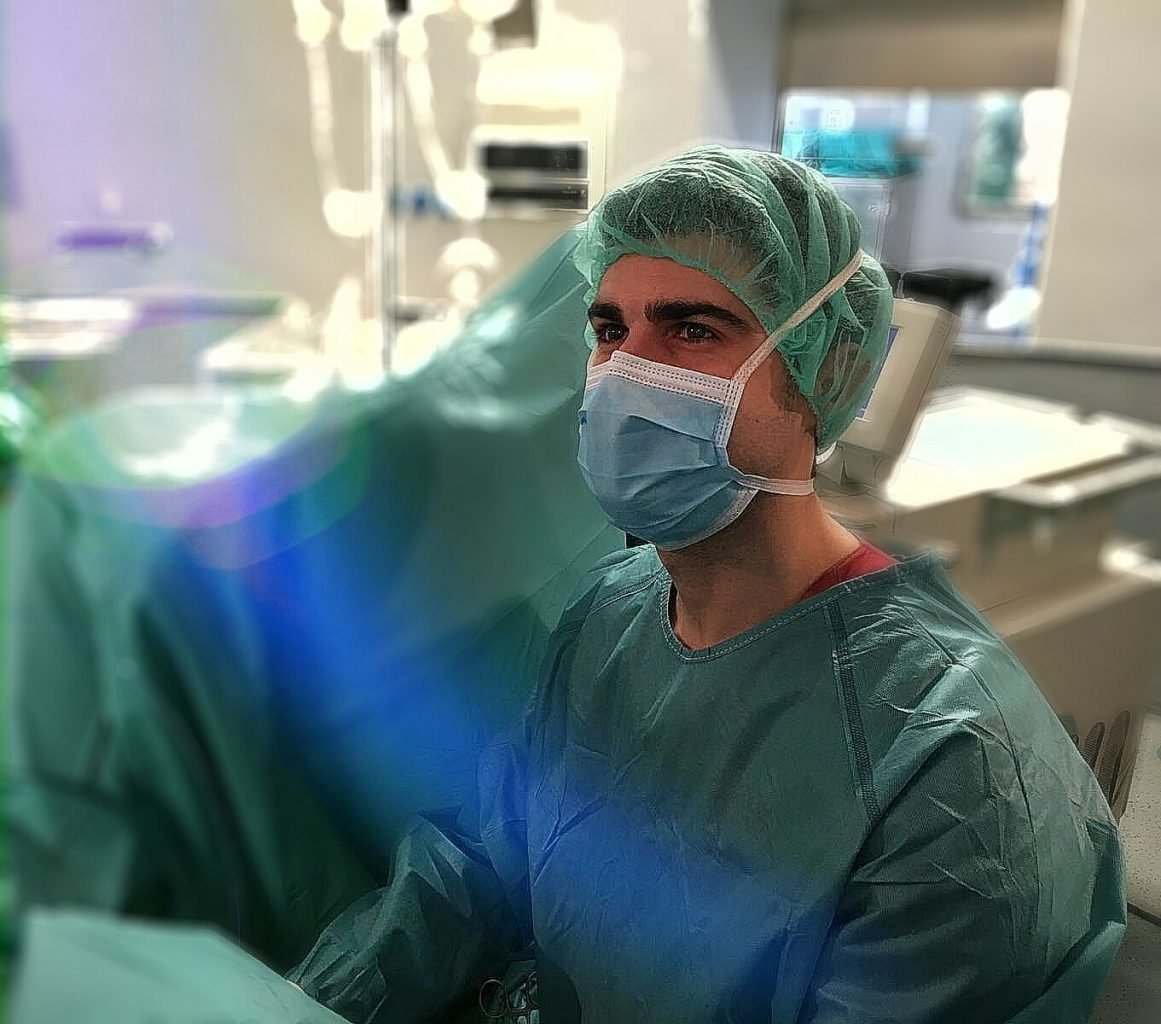
Dr. José Ramón Pérez-Carral García began performing this technique in 2011 and directs the endoscopic enucleation and HoLEP training course of the Spanish Urological Association. In total, he has performed more than 6,500 surgeries. About the doctor.
Frequently asked questions
Is HoLEP painful?
No. The operation is performed under anaesthesia (general or spinal), so the patient feels no pain during surgery. Mild, temporary urinary discomfort can appear afterwards and is controlled with medication.
Is there a prostate size limit?
HoLEP can treat prostates of almost any size to be treated, including very large ones that used to require open surgery.
Does HoLEP affect erections?
HoLEP usually preserves erectile function. The most common effect is retrograde ejaculation.
A medical visit, in person or online, is essential before any treatment is decided, surgical or not: the same diagnosis can have several treatment options.